Bovine Respiratory Disease (BRD) is one of the most common and costly health problems on dairy farms. It’s also known simply as pneumonia, or “shipping fever”; an acute, stress-related form of BRD that typically develops after a long transport.

It isn’t caused by just one thing, but rather by what’s known as the bovine respiratory disease complex – a mix of stress, viruses, and bacteria that can quickly take down even healthy-looking calves.

The most common bovine respiratory disease symptoms include coughing, fever, and laboured breathing.

Calves may lose their appetite, lie down more, experience accelerated breathing, a change in temperature and generally look dull. The real challenge is that by the time you notice these visible signs, the disease is often already well advanced. Early detection and quick bovine respiratory disease treatment are critical to saving calves and preventing serious losses.

Why BRD is Such a Problem

For farmers, BRD isn’t just an animal health issue; it’s an economic one. Calves that battle pneumonia often struggle to catch up in growth, which means they won’t perform as well later in life. This is why bovine respiratory disease prevention matters so much.

Cows have a relatively limited lung capacity in proportion to their body weight. Therefore, it’s crucial to maintain good lung health throughout their life. Issues like BRD translate into lower milk yields, higher veterinarian bills and in some cases, calf mortality.

How Cow Monitoring Technology Helps

Relying on visual checks for BRD can be a tricky business. Coughing, nasal discharge, or falling behind compared to the rest of the herd can be signs of BRD. But calves and cows, prey animals by nature, are experts at hiding weaknesses. This makes it harder to spot bovine respiratory disease symptoms.

That’s where cow monitoring technology makes a real difference. By keeping track of activity and behaviour around the clock, these systems can identify early warning signs that would otherwise be missed.

For example, opting for an ultrasound at an early state can detect budding pneumonia. Something that sometimes occurs when calves and cows receive health alerts and nothing comes out of the clinical examination.

CowManager Calf Guide

Download the Calf Guide to discover how CowManager sensors can detect illness sooner, reduce antibiotic use, and promote faster recovery, ultimately protecting your future milk production.

Download Calf Guide

Monitor Herd Health with CowManager

A great example of a BRD prevention tool is CowManager’s Youngstock Monitor, designed specifically to track calf health. The system collects detailed data on ear temperature, eating and rumination time, behavior and activity and flags anything unusual. When a calf shows changes that could indicate the bovine respiratory disease complex, the system alerts the farmer early, giving time to act before the disease becomes severe.

This approach supports earlier bovine respiratory disease treatment, which improves recovery rates, reduces antibiotic use, and ultimately lowers mortality. Healthier calves grow into healthier, more productive cows – and that protects your bottom line.

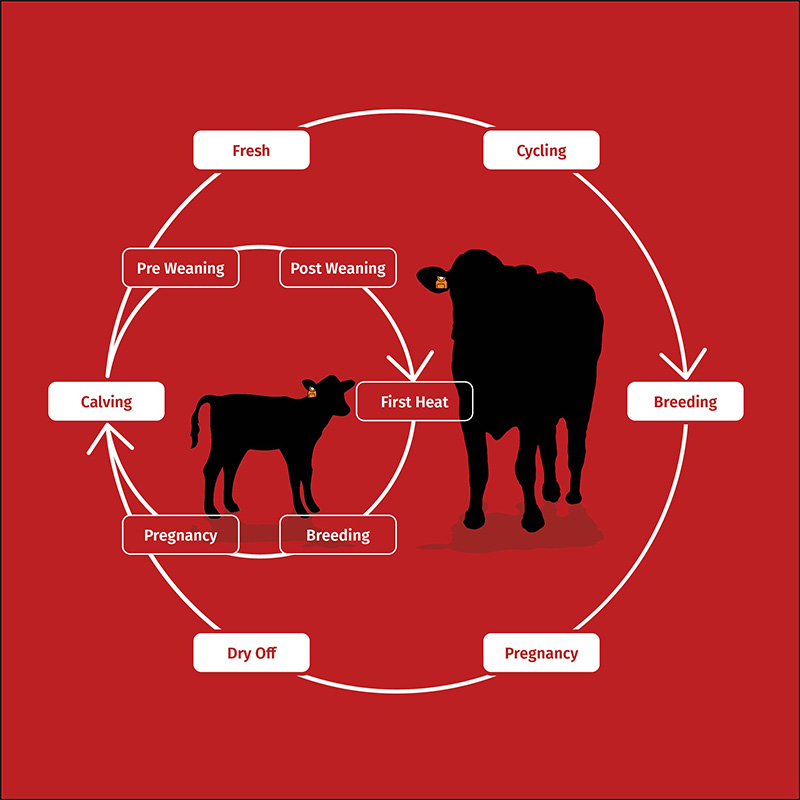
The CowManager system enables farmers to keep an eye on their herd’s entire life cycle, monitoring them from calf to cow with just one ear sensor. Comparing groups, diving into the data and making sure their herd gets everything they need.

When calves become cows, CowManager’s Health Module continues to track their health, ensuring a lifetime of monitoring.

Keeping BRD from Being Damaging

Monitoring is powerful, but it works best alongside strong everyday management. Good bovine respiratory disease prevention practices include ensuring calves get enough colostrum, reducing stress during weaning and transport, maintaining proper ventilation, keep group changes at a minimum and manage them well, and following vaccination programs.

When these are combined with technology like CowManager’s Health monitor, it’s the best defense against BRD.

Protecting calves from bovine respiratory disease isn’t just better for animal welfare – it’s better for your business.

CowManager Benefits

Catch Diseases Early, Reduce Sick Cows

Get alerted immediately when a cow isn't ruminating or eating, and intervene proactively. Pick up on diseases like mastitis and ketosis at an early stage.

Improve Herd Performance

Your cow's ears are full of vital information. Monitor their rumination, eating, inactivity, activity, ear temperature, and high active behaviour.

From Calf to Cow

Our lightweight sensor is designed to last a lifetime, offering a seamless and continuous monitoring solution tailored to your farm and your cow's life phase.

A new year on the farm doesn’t start with big promises. It starts with feeding cows, watching behaviour, making breeding decisions, and trying to stay ahead of problems before they cost time, money, or affect animal health.

CowManager Farmer Stories are built on real, day-to-day use of the system – across different herd sizes, farming systems, climates, and countries.

At the end of 2025, many farmers let us know how they like working with CowManager. By sharing their feedback with us, we continue to tailor our service to their needs. And by sharing these voices, farmers can learn from each other and make better-informed decisions for their own farms.

One Story, Many Farms

No matter where a farm is located, cost is always part of the conversation. In Ireland, dairy farmer Sean Corby put it plainly: “Like all farmers, I’d like tools to be cheaper – but CowManager is a fantastic product and working very well here so far.”

That balance between investment and results is familiar everywhere. Farmers weigh every decision carefully, and value becomes clear only when a system proves itself over time.

For Canadian farmer Lynn Moore, that proof came through years of use. “I believe I’ve had CowManager since 2015 and I couldn’t be happier. It’s an excellent product; keep it up!”

Sticking with a system for nearly a decade isn’t about features on paper. It’s about consistency, trust, and knowing the system supports better decisions year after year.

More Farmer Stories

Want to read more real farmer experiences? Visit cowmanager.co.nz/farmer-stories and see how dairy farmers around the world use CowManager to stay ahead of the herd. Or check out the CowManager YouTube channel for more Farmer Stories videos.

From Tool to Partnership

With the right results and support, a tool becomes a partnership.

For many farmers, confidence in technology grows step by step. In the United States, farmer Ryan Carbaugh from Waterside Farm described how results in one part of the operation led to broader adoption.

“I enjoy CowManager. It really works. We started using it on our heifers and had instant success: heifers bred on first and second services. We’re now experimenting with it in our tie stall barn and pasture setup. Seeing those results made me jump in.”

That’s how technology earns its place on a farm. Not through promises, but by delivering results where it matters most.

For others, the value goes beyond performance alone. Catching issues early can make the difference between a small intervention and a serious setback – for both cows and farmers.

In Germany, animal welfare is a top priority for farmer Uwe Petzold: “We’re very satisfied. From an animal welfare point of view, I think the system should be mandatory. We were able to treat cows before major problems occurred.”

Why These Stories Matter

Real experiences – positive, critical, and practical – help set realistic expectations and support better decisions on-farm.

As this new year gets underway, these voices reflect what dairy farming truly looks like: constant decisions, tight margins, and a clear focus on tools and services that help keep cows healthier and farms running more efficiently.

Let’s Meet

Come meet us at many dairy events this year! We’d love to connect and discuss all things cow monitoring. You can find our CowManager Specialists at events all over the globe. Check out our dairy events calendar for 2026.

The first few hours of a calf’s life are critical. High-quality colostrum for calves is the foundation of their immune system and long-term health. Ensuring your calves get the right start begins with ensuring the quality of cow colostrum.

Read on to discover why both colostrum quality and quantity matter, how a cow’s dry-period health directly influences colostrum quality, and how to monitor dry cows and transition risks so calves get a strong start.

Why Colostrum for Calves Is Essential

Calves are born without antibodies, making them highly vulnerable to infections. Cow colostrum, packed with immunoglobulins (IgG), provides the essential antibodies that act as a first line of defence for the newborn. This colostrum helps protect the calf from disease while its own immune system develops.

The first 12 hours after birth are critical for antibody absorption, as the calf’s gut is still open to absorb these antibodies directly into the bloodstream. After this window, absorption decreases significantly and closes completely within 24 hours.

Timely, adequate feeding of high-quality colostrum is crucial for giving the calf the best start in life, as literature indicates that calves receiving proper colostrum develop a better-functioning gastrointestinal tract.

Track Cow Health

The quality of colostrum for calves is directly linked to the health of the mother cow. A healthy, stress-free cow is more likely to produce high-quality colostrum, which is vital for the calf’s immunity and growth.

While CowManager doesn’t monitor colostrum quality directly, it does help identify when issues arise during a cow’s dry period. Together with advisors, you can investigate potential causes, such as social housing, to ensure cows produce the best colostrum possible.

Transition & Heat Stress

CowManager’s monitoring system provides valuable insights during critical stages such as the transition phase. Through alerts for heat stress, illness, or transition challenges, you can take early action to prevent these factors from affecting colostrum production.

For example:

  • Transition period challenges, such as disease or inadequate nutrition, can lower antibody content.
  • Heat stress can decrease colostrum quality.

By addressing these issues early, you help ensure your cows stay healthy and your calves receive the high-quality colostrum they need for a strong start.

By using CowManager to monitor and optimise cow health, and by acting on the alerts to improve your management, you indirectly help ensure that calves receive the best possible colostrum to start their lives strong.

Set Your Calves Up for Success

Colostrum for calves is a critical part of their early development and long-term productivity. Your efforts during those first hours make all the difference. To give your calves the best possible start, it’s essential to ensure that cows produce the highest quality colostrum, and that begins with monitoring and supporting their health.

By using CowManager to track cow health, you can make informed decisions and intervene early when needed, ensuring your cows are in top condition to produce the best colostrum for their calves.

Optimise your calf health and give your future dairy cows the best start.

CowManager Calf Guide

Improve calf growth and build your future herd with CowManager’s smart insights. Download the Calf Guide to discover how CowManager sensors can detect illness sooner, reduce antibiotic use, and promote faster recovery, ultimately protecting your future milk production.

Download Calf Guide

Raising replacement heifers is one of the biggest investments on any dairy farm. The way you manage nutrition quality, feed space, and growth rates directly determines whether your heifers become profitable, high-producing cows. By focusing on a few key management practices, you can lay the foundation for a strong, productive herd.

High-Quality Forage

Forage quality is the backbone of every heifer diet. Not all forage delivers the same results — and when it comes to raising heifers, quality matters just as much as quantity.

High-quality forage supports optimal growth and body condition without overfeeding grain. The right balance of protein and minerals is crucial: too much grain can over-condition heifers, while low-quality forage may slow growth.
Protein plays an important role in the overall growth of heifers, as it provides the amino acids needed for tissue and muscle development.

Skeletal growth – bone formation and strength – is important and depends mainly on the availability and balance of minerals such as calcium, phosphorus, and magnesium, as well as vitamin D and adequate energy supply.

The two go hand in hand: Bones also contain protein structures, collagen matrix, that minerals bind to. An excess of protein alone will not improve bone growth.

Feed Efficiency

Neutral Detergent Fiber Digestibility (NDFD) is an important indicator of how much energy a heifer can actually extract from her feed. Higher digestibility means better feed efficiency – something that shouldn’t be underestimated. Higher NDFD means the heifer can extract more energy from the same amount of feed, leading to better feed efficiency and weight gain.

Changes in feed quality or type can easily affect growth rates. That’s why testing forage regularly and adjusting rations with your nutritionist is essential. With CowManager’s Transition & Nutrition Monitor, you can track the effect of ration changes per cow as well as per group.

And with the free MultiView functionality you and your advisors can easily share and monitor real-time data on feed and ration changes – ensuring every heifer stays on track.

Feed Space per Cow

Feed space is often underestimated, yet it plays a major role in growth and future milk production. Overcrowding causes stress, limits feed intake, and leads to uneven growth within groups — especially for subordinate heifers.

Aim for 45 to 60 cm of space per heifer. This ensures that every animal has equal access to feed, particularly in group housing systems. Providing adequate space reduces injuries, stress, and the risk of disease transmission. A calmer pen leads to healthier heifers, steady growth, and more efficient management.

The Transition & Nutrition Monitor even tracks a cow’s stress level; monitoring whether a cow is feeling safe and secure or is experiencing stress factors that may affect her health, causing her to become less active – in which case you’ll receive an alert. Too much stress also leads to cortisol release, which is immune suppressive.

Dairy Heifer Feed Requirements

When it comes to dairy heifer nutrition, it’s not just about intake — it’s about outcomes. One of the most critical milestones in heifer development is reaching the right breeding weight.

Heifers should reach 55–60% of their mature body weight by 13–15 months of age, allowing them to calve between 22 and 24 months. Hitting this target keeps rearing costs under control and maximises lifetime milk yield.

Underweight heifers often calve later, increasing costs and reducing production potential. Overweight heifers, on the other hand, are at higher risk for calving and metabolic problems. The right balance is key to achieving strong, productive cows ready for the next stage of their life.

Building a Strong Foundation

When you combine forage quality, feed space, and proper breeding weight, the bigger picture becomes clear — these are the building blocks of your future herd.

Every decision in heifer management has a ripple effect. The heifers you raise today are tomorrow’s high-performing dairy cows. With CowManager’s Transition & Nutrition Monitor and MultiView functionality, you gain the insights to make smart, fact-based feeding and growth decisions.
CowManager Calf Guide

Improve calf growth and build your future herd with CowManager’s smart insights. Download the Calf Guide to discover how CowManager sensors can detect illness sooner, reduce antibiotic use, and promote faster recovery, ultimately protecting your future milk production.

Download Calf Guide

Dairy heifer management is a long game. Every dollar and hour you put into youngstock today will show up years later in the milk tank. Strong calves become strong heifers, and strong heifers turn into high-producing, long-lasting cows. That’s why managing your calves and heifers isn’t just a side job; it’s the foundation of your herd’s future success.

Read on to discover all the important steps in dairy heifer management, and how CowManager helps fulfil your herd’s potential.

Critical: Colostrum for Calves

Calves don’t have much of an immune system when they’re born, so what you do in the first hours makes all the difference. Colostrum is critical. Feed your calves clean, high-quality colostrum within the first two hours. Aim for at least 10% of the calf’s body weight. This liquid gold delivers antibodies and energy that set the calf up for survival and growth. Starter feed and fresh water from day three encourage cow rumen development, which is key for a smooth weaning transition.

Calves on a higher plane of milk nutrition – more energy and protein – in their first eight weeks often develop more mammary tissue, which means better milk yield later.

Think of this stage as pouring the concrete for your future barn. If it’s a solid foundation, everything built on top will last. CowManager’s Youngstock Monitor allows you to closely watch this critical stage, sending calf health alerts whenever you have a calf or heifer in need of attention.

Measure the Milestones

Once calves are weaned, the goal shifts to steady, efficient growth. This is where feeding programs really shape the future dairy cow. Make sure to create a balanced diet for heifers. Good feed plus grain ensures skeletal growth and rumen development without getting heifers too fat.

Every growth milestone is a steppingstone toward becoming a profitable cow. Dairy heifers should reach 55% to 60% of their mature weight by breeding age (13 to 15 months). That way, they calve by 22 to 24 months – young enough to maximise lifetime productivity but mature enough to avoid calving problems.

Underperforming isn’t good, but neither is overdoing it. Undergrown heifers will freshen late and produce less milk, while over-conditioned heifers risk calving difficulty and metabolic issues.

Mastitis is one of the many health challenges dairy cows face throughout their lifetime. monitoring health risks at every stage of development from birth to first calving, dairy producers can build a healthier, more productive herd. Keeping a close eye on youngstock helps raise healthy heifers, ultimately reducing the risk of mastitis during lactation.

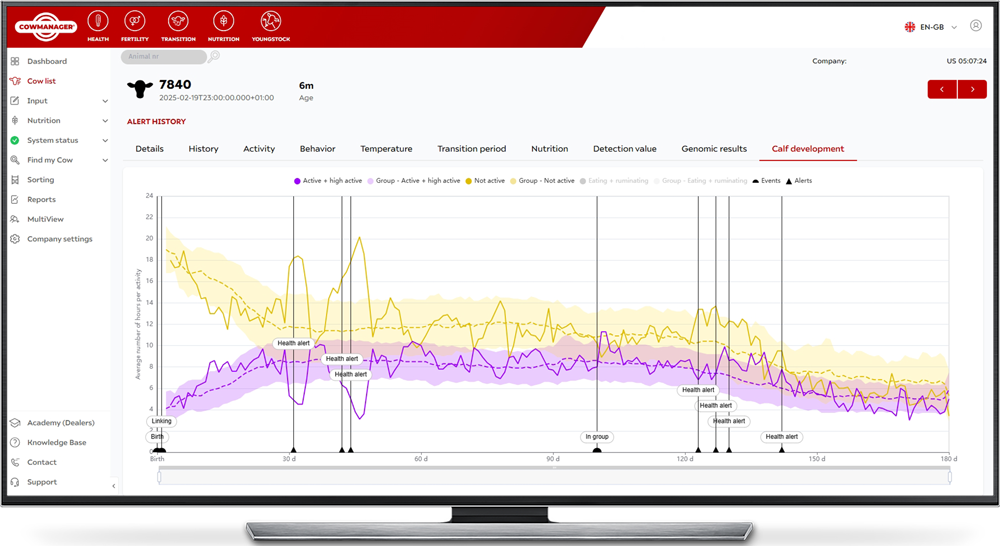
You can use CowManager’s calf development graph to further support early disease detection. The graph highlights behavioural patterns of an individual calf compared to its group. By finding deviations early, you can take initiative and act during the critical first six months of life.

CowManager Youngstock Monitor calf development graph

Example of a calf development graph in the CowManager system.

Dairy Heifer Health Tips

Whether you have the perfect diet in place or not, if your housing is off, you’ll lose ground. Dedication in heifer management makes the difference between good and great heifer development. Healthier, more comfortable heifers grow faster and transition more smoothly into the milking herd.

For example, overcrowding stunts growth and spreads disease. Give heifers room to thrive and grow. Make sure they have dry bedding to reduce respiratory disease and scours. Good ventilation prevents heat stress and lung problems.

Moving groups calmly and minimising sudden changes reduces setbacks in development. Socialised calves and heifers aren’t just healthier; they also manage stress better later in life.

Building the Future

Remember: a healthy heifer is not an expense; she’s your most valuable investment in tomorrow’s milk. Every small dairy heifer management choice, from colostrum quality to feed consistency to housing, directly affects your (future) herd’s bottom line.

The cows that walk into your paddock in two years are the result of what you’re doing today with your calves and heifers. When you manage them right from the start, you’re not just raising replacements. You’re building the next generation of your dairy’s success.

Meet the Team

In New Zealand, CowManager is distributed and supported by CowManager NZ. No one knows the system better than them. Want to know more? Don’t hesitate to reach out. They’re excited to discuss cow monitoring with you and answer any questions you may have.

Contact the Team

Hamilton, New Zealand – August 14, 2025 – CowManager, a global leader in smart cow monitoring solutions, is excited to announce the establishment of its own office in Hamilton, New Zealand. This strategic move marks a significant milestone in CowManager’s journey, bringing us closer to our New Zealand customers and enhancing the service, support, and innovation that our farmers rely on. The official transition to CowManager NZ will take place on Saturday, August 16.

A Decade of Growth and Success

Since tagging our first cow in New Zealand in 2014, CowManager has steadily grown to support hundreds of forward-thinking farms across the country. Over the past 10 years, our presence has built a solid foundation, and now, with a direct presence in New Zealand, CowManager is accelerating its efforts and continuing to help farmers thrive with enhanced support and capabilities.

“We’ve seen tremendous growth and success over the years, and now it’s time to take the next step,” says Jared Bekhuis, Managing Director of CowManager NZ.

“By adding specialists and establishing our direct presence in New Zealand, we’re enhancing our capabilities to deliver faster, more expert service exactly where it’s needed. At the same time, we are expanding our portfolio with exciting innovations like Draft my Cow, the Youngstock Monitor, and Find my Cow Flash. These new solutions will provide our farmers with even more powerful tools to optimize their operations and improve herd management. And we’re just getting started-keep an eye out for even more cutting-edge advancements that will further transform the way we support our farmers.”

This transition opens an exciting new chapter for CowManager. With more resources and local expertise, we’re better positioned to offer tailored solutions and increased responsiveness, helping farmers achieve even greater success with our innovative solutions.

“New Zealand’s dairy sector is world-renowned for its excellence,” Bekhuis adds. “We’re proud to contribute to its ongoing success and invest in the future of every farmer we serve.”

What This Means for You

The contracts between CowManager and our valued customers will remain unchanged. Your terms, support, and service remain intact, with no alterations to your agreement.

  • All current dealer employees will continue with CowManager NZ, along with additional new team members to enhance our support network.
  • Our new office will be located at 3/137 Ossie James Drive, Hamilton Airport.
  • You can reach us at our new office phone number: 0800 – 770566 or support@cowmanager.com per Saturday, August 16.
  • We’ll be providing new contact details for your respective contact people, including support staff. They will be in touch soon to share their updated contact information, ensuring a smooth transition.

Looking Ahead

With a stronger local presence, CowManager NZ will work even harder to deliver the best possible experience for our farmers. As always, we are here to ensure that you’re well-supported and prepared for whatever comes next in your dairy operation.

We look forward to continuing our journey together and working with you to achieve even greater success.

About CowManager

At CowManager, we are committed to providing dairy farmers with the tools they need to succeed. Our revolutionary cow monitoring ear sensors help farmers stay ahead with actionable insights on herd health, nutrition, fertility, and more. Whether you have 20 or 125,000 cows, CowManager ensures that farmers always have eyes on their herd.

How to Detect A Common Cow Disease

Dairy cows are prone to various diseases that can affect their health, milk production, and overall well-being. And those factors can affect your bottom line. Early detection is key to prevent numbers from going downhill. Here are common dairy cow diseases that cow monitoring systems can help detect at an early stage.

Ketosis

Ketosis occurs when cows do not have or take in enough energy, usually after calving. The cow’s body starts breaking down fat for energy, leading to high levels of ketones in their blood. This disease can occur during the transition period, a crucial time in a cow’s life. Symptoms include loss of appetite, loss of body condition, lethargy, and sweet-smelling breath.

Read more about recognising diseases during the transition period.

Mastitis

Mastitis is an inflammation of the mammary gland, typically caused by bacteria. This often results in decreased milk production and quality. Signs include swollen, hard, or warm udders, and abnormal milk containing clots, pus or blood. Preventive herd management and efficient farm management are vital to manage this disease.

Curious to know more? You might also find this article interesting: The Power of Early Mastitis Detection in Dairy Cows.

Displaced Abomasum

Displaced Abomasum, also known as DA, occurs when the abomasum – the fourth stomach compartment – shifts from its normal position. Whenever this disease affects a cow, it’s oftentimes after calving.

Symptoms are loss of appetite, reduced milk production, and an abnormal ‘ping’ sound when the abdomen is tapped. Read more about detecting diseases after calving.

Johne’s Disease

This chronic, progressive bacterial disease affects the intestines of a cow. It causes severe diarrhea, weight loss, and therefore can be fatal. Johne’s disease is also known as paratuberculosis. It’s challenging to manage once established in a herd, emphasising the importance of preventative measures.

Disease symptoms include progressive weight loss, diarrhea, and reduced milk production. It often occurs in older cows, but can be subclinical in some.

A cow monitoring system can clock whenever a cow is uncharacteristically (in)active, which can help spot discomfort and detect illness before true symptoms show.

Infectious Bovine Rhinotracheitis

Infectious Bovine Rhinotracheitis is also known as IBR. It affects the respiratory and reproductive systems. Symptoms may include nasal discharge, coughing, and decreased milk production. Vaccinations are available to help control this disease.

Commonly associated with pneumonia and death, but is also the cause of abortion and reproductive loss. Clinical signs are discharge from nose and eyes, rapid breathing, and high temperatures and weight loss. The effects vary per cow and herd.

Bovine Respiratory Disease

Bovine respiratory disease is also known as BRD, or simply called pneumonia. It’s often referred to as shipping fever, and it’s a complex disease that can cause severe illness. The most common symptoms include coughing, fever, and difficulty breathing. Especially calves can suffer from BRD. Early detection and treatment are crucial to prevent fatalities.

CowManager has a Youngstock Monitor, specifically created to monitor calf health. This may help with detecting BRD in an early stage.

Benefits of Monitoring

Staying Ahead of the Herd Together

A successful farmer is a prepared farmer. Always be ready for what's coming. Run your farm proactively and make fact-based decisions with our data.

Improve Health & Production

Optimise your farm management by finding cows on heat and catching sick cows earlier, improving your herd’s health and production.

Increase Workload Efficiency

Divide your workload more efficiently thanks to real-time alerts. Focus on the right cow at the right time and be able to spend more time off-farm.

Dive Into Health Data

Get a glimpse of all the benefits and possibilities of using CowManager. A local representative will give you a tour through the system to show you how easy to use our app is and how it monitors your cows 24/7.

Request a Free Demo

Why Early Detection of Mastitis Matters for Dairy Herds

Mastitis in dairy cows is one of the most common and costly diseases in dairy farming. This udder infection significantly impacts cow health, increases veterinary costs, reduces milk yield, and can lead to increased cull rates. Early detection of mastitis in dairy cows is critical in minimising the effects of the disease, reducing the need for antibiotics, maintaining overall herd health and profits, and preventing the spread of the infection.

The Impact of Mastitis in Dairy Cows

Mastitis in cows can lead to several issues beyond just milk production. Infected cows often experience pain and inflammation, which can affect their general well-being. Additionally, mastitis causes an increase in somatic cell counts (SCC) in the milk, which can result in milk being unfit for sale. The disease may also lead to a permanent reduction in a cow’s productivity, and treatments can result in significant milk losses, increased veterinary costs, and milk discards.

By detecting mastitis early, dairy farmers can intervene before the infection escalates, preventing severe health consequences for the cow and avoiding the spread of the infection throughout the herd.

Learn More About Herd Health

CowManager is a valuable tool for improving herd health. Download the Health Brochure to find out what data you’ll receive when tracking herd health with the system, and what insights you’ll gain into your cows’ well-being.

Download Health Guide

Symptoms of Mastitis in Dairy Cows

Mastitis in dairy cows can present in different forms, including clinical and subclinical cases. Clinical mastitis symptoms include swelling, redness, and heat stemming from the infected area of the udder, along with visual changes in milk, such as clots, discolouration, or a watery consistency. Affected cows may show signs of pain, reduced appetite, fever, and a drop in milk production. Subclinical mastitis, which does not show visible symptoms, can still negatively impact milk yield and quality due to increasing somatic cell counts. Monitoring cow behaviour, temperature, and milk consistency is essential for identifying mastitis early and taking appropriate action before the infection gets worse.

How Early Detection Helps before Mastitis Symptoms Appear

Early detection is key to effectively managing mastitis in dairy cows. Subclinical mastitis, where no visible symptoms are apparent, can silently harm cow health while spreading infection. Traditional detection methods, such as visual checks and hand-stripping, may not identify these early-stage infections.

Modern monitoring technologies, such as real-time tracking systems, can help producers spot subtle signs of mastitis, including changes in cow behaviour, body temperature, and rumination patterns. These are all critical indicators before visible symptoms appear.

Proactive Monitoring for Mastitis Treatment

Continuous health monitoring plays a vital role in preventing and treating mastitis in cows. Technologies that offer 24/7 insights into cow activity, rumination, and temperature allow producers to identify abnormalities before an infection becomes severe. These systems also help detect environmental or management factors contributing to mastitis, such as overcrowding, poor hygiene, and stress.

Early detection enables targeted mastitis treatment, reducing antibiotic reliance and promoting better udder health. Addressing the issue early helps lower treatment costs and minimises penalties for high SCC levels, ultimately improving milk quality.

Preventing Mastitis from Heifer to Cow

Mastitis is one of the many health challenges dairy cows face throughout their lifetime. Heifers can become infected. By monitoring health risks at every stage of development from birth to first calving, dairy producers can build a healthier, more productive herd. Keeping a close eye on youngstock helps raise healthy heifers, ultimately reducing the risk of mastitis during lactation.

Conclusion

Early disease detection is essential for maintaining overall cow health and ensuring a profitable dairy operation. By investing in monitoring technology, producers can take swift action, reducing the disease’s impact and preventing serious health issues for their cows.

To learn more about how health monitoring at every life stage supports milk production, read our related blog: How to Increase Cow Milk Production. This blog explores the impact of proactive health management and real-time monitoring on improving herd performance and dairy farm profitability.

Want to know how to keep your dairy cows in top condition? Read our 5 tips to improve overall herd health.

In dairy farming, maximising dairy cow milk production is essential for profitability. More milk in the tank is easier to achieve with a healthy herd. Each cow’s life phase, from calf to cow, comes with its own unique challenges. By closely monitoring the herd, dairy farmers can detect diseases early, reducing the impact of the disease and decreasing the need for antibiotics, and ultimately increasing milk yield.

Let’s explore how focusing on health at every development stage leads to better herd performance and higher dairy cow milk production per day.

Lifetime Monitoring From Calf to CowMonitor Health Risks in Each Life Stage

Every stage in a dairy cow’s life has potential health risks that can impact overall dairy cow milk production. From respiratory issues in calves to metabolic diseases in lactating cows, recognizing these phase-specific risks is a challenging task. Monitoring from calf to cow 24/7 enables proactive care.


  • Calves: In the early weeks, calves are vulnerable to diseases like diarrhea and pneumonia. These conditions can lead to setbacks, affecting future milk production. Monitoring calf health closely enables early treatment, helping calves grow into healthy heifers that contribute to milk yield later.
  • Heifers: As heifers grow, reproductive health becomes critical. Diseases such as bovine viral diarrhea (BVD) or infectious bovine rhinotracheitis (IBR) can impact fertility, delaying a heifer’s first calving and affecting profitability and her future milk production per day. Monitoring these risks ensures these heifers are healthy and ready for breeding.
  • Lactation: Lactating cows face risks from mastitis, ketosis and milk fever, all of which can quickly lower milk yield if not detected in an early stage. Real-time monitoring technology helps identify subclinical signs of these issues, allowing for timely intervention, which can help keep milk production steady.
  • Transition: During the transition period, cows are vulnerable to diseases that may affect their next lactation. Issues such as metritis and retained placenta post-calving can delay return to peak milk production per day. Monitoring during this pre-fresh phase and taking timely action supports a smooth transition back into lactation.

Increase Cow Milk Production

Working with data-driven solutions is a modern approach to improving dairy cow milk production. Technologies that monitor cow activity, health and rumination provide dairy producers with real-time insights, ensuring timely intervention. This data can guide management decisions for improving nutrition and overall herd health, which ultimately can help increase dairy cow milk production per day.

Prioritise Health and Comfort

Increasing dairy cow milk production is achievable through a combination of good nutrition, advanced health monitoring, and a focus on reducing stress and improving cow comfort. By integrating these practices and leveraging modern technology, dairy producers can maintain high levels of dairy cow milk production per day. The result is a more productive herd, healthier cows, and a more profitable dairy operation. Get the 5 tips of improving herd health.

The Benefits of Early Detection and Intervention

In the fast-paced world of dairy farming, issues such as sick cows and low milk yields can severely jeopardise the economic potential of the dairy operation. As the industry faces increasing pressures, such as growing public concern over dairy calf and cow welfare, the integration of advanced health monitoring technology has become essential. Examine the role technology can play in improving herd performance and maximising farm profitability.

Get a Free System Demo

Get a glimpse of all the benefits and possibilities of using CowManager. A local representative will give you a tour through the system to show you how easy to use our app is and how it monitors your cows 24/7.

Request a Free Demo

Optimise rearing for future herd health and productivity

CowManager introduces Youngstock Monitor, a new comprehensive solution to monitor calf behaviour.

This innovative system provides real-time alerts for early disease detection and notifies producers when a calf may be falling behind its herd mates. With Youngstock Monitor and the new lightweight CowManager ear sensor, farmers need just one sensor per animal for its entire lifetime, from calf to cow.

Powered by artificial intelligence with ever-evolving algorithms, Youngstock Monitor adapts to each operation and the behavioural development of each calf, allowing farmers to make farm-specific predictions on the health of their individual calves and focus treatment in a targeted way.

Monitor Calf Health

The calf health alerts come in three levels: suspicious, sick and very sick, and detect subtle behavioural changes associated with illness often missed through visual observation. These alerts help facilitate quicker interventions, lower treatment intensity, reduce reliance on antibiotics and decrease mortality rates. Effective calf health management leads to increased future milk production and a healthier, more productive herd.

“With our innovative calf alerts, we can now monitor from calf to cow, for an animal’s entire lifetime. That is the CowManager vision”, says Gerard Griffioen, founder of CowManager.

“This approach helps producers maximise performance and build the foundation for a productive and healthy herd.”

Innovation Award

Youngstock Monitor earned a Silver Medal Innovation Award at EuroTier 2024 and is now available in several countries.

Read on for more information on monitoring youngstock.

CowManager's Youngstock Monitor

Artificial Intelligence Algorithm

Our Artificial Intelligence algorithm tailors calf health alerts to your farm to help you optimise your calf management at every behavioural development stage.

Genetic Potential

Effective health management from calf to cow not only unveils the best of their genetic potential but also leads to increased future milk production.

From Calf to Cow

Our lightweight sensor is designed to last a lifetime, offering a seamless and continuous monitoring solution tailored to your farm and your cow's life phase.